Introduction
Paving your yard can change not just the visual appeals of your outside space however additionally its functionality. Whether you're considering interlacing pavers for a driveway, outdoor patio, or pathway, prep work is vital to ensuring that your paving installment goes off easily. In this comprehensive guide, "How to Prepare Your Backyard for Leading Installation: Professional Tips from Bay Location Pros," we'll delve into necessary steps, skilled recommendations from experienced experts in the Bay Location, and everything you need to know to make your project a success.
Understanding Leading Installation
What Is Leading Installation?
Paving installment describes the process of putting down products such as concrete, asphalt, or interlocking pavers to produce a durable surface area. This process entails various steps including website preparation, product choice, and proper installation techniques.
Why Select Interlocking Pavers?
Interlocking pavers are a popular option because of their flexibility and visual appeal. They can be found in numerous forms, sizes, and colors and give superb water drainage options. And also, they can be conveniently replaced if damaged.
How Does a Paver Installer Work?
An expert paver installer will examine your lawn's specific needs prior to recommending the most effective paving remedy. They think about factors like dirt type, climate problems, and planned use the paved area.
Assessing Your Yard's Condition
Evaluating Soil Types
Before you start your paving project, it's vital to assess the sort of dirt in your lawn. Clay dirts may need added drain options contrasted to sandy soils.
Checking for Water drainage Issues
Water merging in certain areas can compromise the honesty of your smooth surfaces. Ensure that existing drain systems are operating appropriately or take into consideration installing brand-new ones.
Identifying Existing Obstacles
Look around your lawn for existing challenges such as trees or utility lines that can restrain paving installment. These have to be dealt with before laying any pavers.
Planning Your Project
Creating a Style Layout
Sketch out a design layout that thinks about both looks and capability. Think about how the smooth area will flow with existing landscaping elements.
Selecting Materials
Choose products sensibly based on resilience and look. Interlocking pavers are frequently preferred for their simplicity of installment and maintenance.
Preparing Your Yard
Clearing Particles and Vegetation
Start by eliminating all particles from the location where you intend to pave. This consists of rocks, sticks, leaves, and vegetation.
Leveling the Ground
A degree base is crucial for successful leading setup. Usage tools like shovels and rakes to accomplish an also surface prior to relocating on.
Compaction Process
After leveling the ground, portable it utilizing a mechanical compactor or hand tamper to make certain stability during paving installation.
Setting Up Borders
Importance of Borders
Borders help specify led areas and stop changing gradually. Think about using products like blocks or larger stones as borders.
Installing Edge Restraints
Edge restraints are important for holding interlacing pavers in position. They stop lateral motion throughout freeze-thaw cycles or hefty rains.
Laying Down Base Material
Choosing Base Material
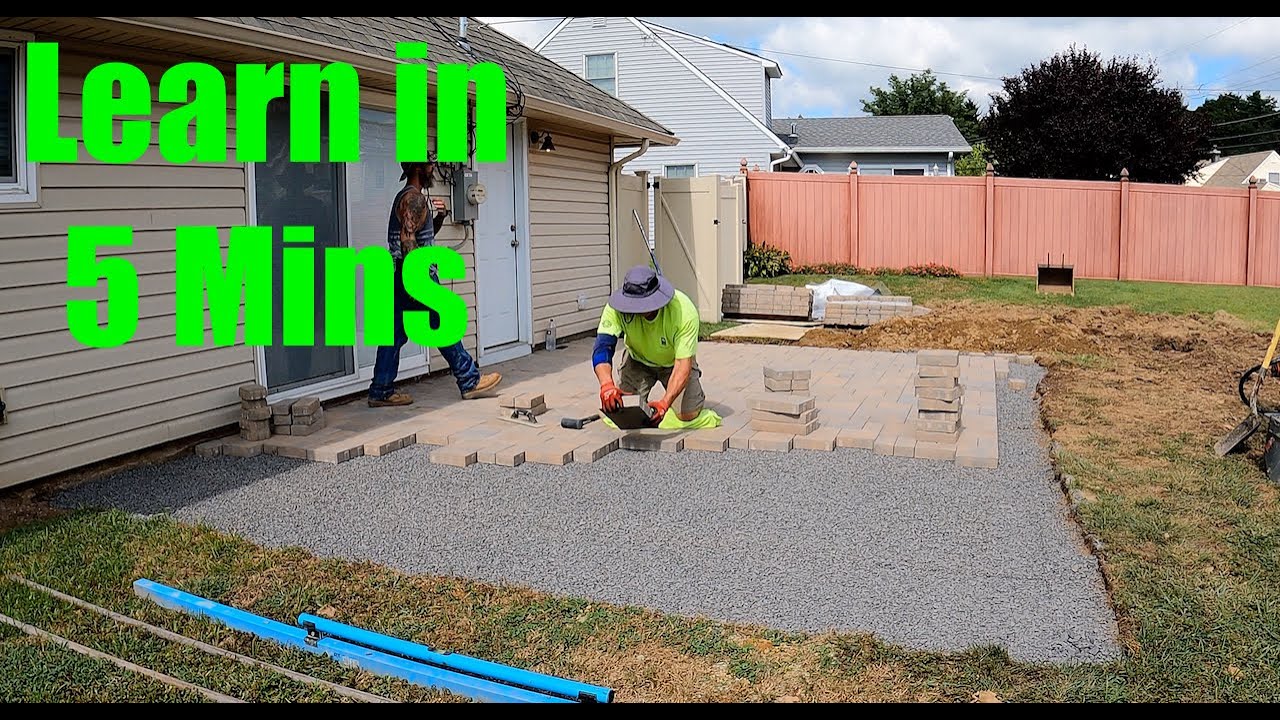
The sort of base product you select relies on your dirt problem and intended usage of the smooth area. Crushed rock is usually advised for its strength.
Layering Technique
Apply base product in layers-- normally 3-4 inches each time-- condensing each layer before including even more product ahead makes sure optimum support.
Installing Interlocking Pavers
The Right Tools
Having the right tools makes all the distinction! Essential tools consist of a rubber mallet, level gauge, joint sand, and saw (for cutting pavers).
Laying Pavers Correctly
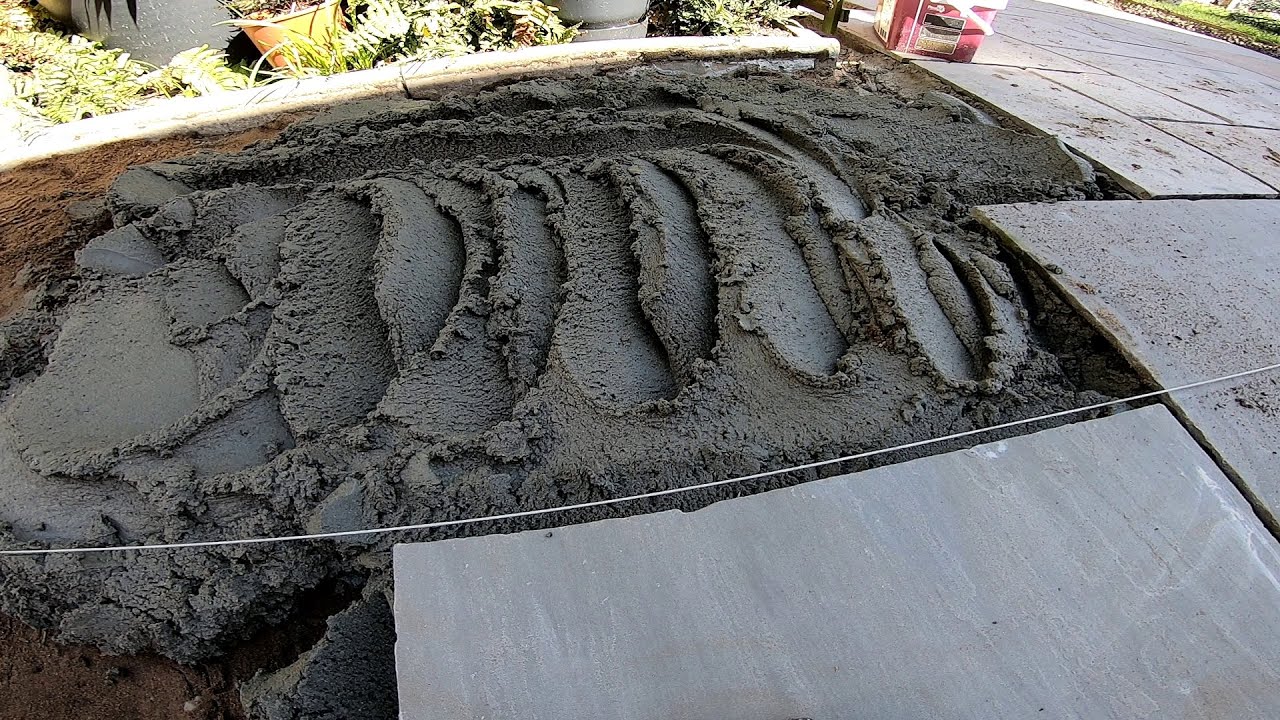
Start at one corner and work your way throughout the marked area. Make sure each paver is snug versus its next-door neighbor while maintaining constant spacing for joint sand later on on.
Incorporating Joint Sand
What Is Joint Sand?
Joint sand fills spaces between pavers which helps secure them together while permitting adaptability-- an essential factor in preventing cracking under pressure.
Application Method
Spread joint sand over the surface nevertheless pavers are laid down. Sweep it right into joints up until they're filled entirely prior to compacting again somewhat with a plate compactor.
Final Touches After Installation
Cleaning Up
Once every little thing is established properly, clean any excess sand from the surface area of your newly mounted interlacing pavers to improve their appearance!
Sealing Your Paved Surface
Consider using a sealant as soon as you have actually completed your project; this shields against stains and enhances color longevity over time!
Maintaining Your Paved Area
Regular Cleaning up Schedule
Regular cleaning maintains your smooth surface areas looking their finest! Consider brushing up away particles weekly or a lot more frequently if required-- especially after storms!
Inspecting for Damage
Periodically check for splits or moving in your interlocking pavers; catching these concerns early can conserve you significant repair expenses down the line!
Common Blunders During Leading Installation
Ignoring Dirt Quality
Failing to analyze soil high quality can cause unequal settling over time-- leading eventually towards pricey repairs!
Skipping Drain Solutions
Neglecting appropriate water drainage approaches causes water pooling which endangers both visual value AND architectural integrity!
FAQs About Lawn Preparation for Leading Installation
What's The Best Time To Mount Interlocking Pavers? Spring or early fall commonly offers suitable problems-- moderate temperature levels allow simple handling while lessening weather-related delays!
Do I Need A License For My Project? It depends! Neighborhood laws vary; always consult local authorities concerning zoning laws relating to building tasks on personal property.
How Long Will certainly My New Sidewalk Last? With correct care & & upkeep (like periodic securing), anticipate interlocking paver systems lasting anywhere between 25-- 50 years!
Can I DIY My Very Own Installation? Definitely-- several home owners pick do it yourself courses-- however understand that experience levels matter! Study completely prior to attempting anything complex.
How Much Does Professional Setup Cost? Prices vary commonly based on size/complexity yet normally range from $10-$30/sq ft relying on selected products & & labor rates.
Is There Any Upkeep Required After Installation? Yes! Frequently inspect joints/sand degrees & & clean surfaces often-- to expand life expectancy & & keep locations looking pristine!
Conclusion
In conclusion, taking meticulous actions towards preparing your backyard for paving setup is important for achieving lasting outcomes that enhance both beauty and functionality! From assessing dirt types with correct product choice right down right into ending up touches post-installation-- all facets add towards developing a visually pleasing exterior area suitable for events or merely appreciating nature's charm at home!
Armed with understandings gathered here today under "How to Prepare Your Backyard for Paving Installation: Professional Tips from https://writeablog.net/thornexnvk/h1-b-the-art-of-paving-installment-crafting-beautiful-driveways-with Bay Location Pros," you ought to feel confident tackling this task head-on! Spend time ahead of time-- it'll pay dividends later on when admiring those stunning brand-new interlocking paved surface areas snuggled within rich landscaping around your own-- producing a welcoming haven simply outside those doors!
So why wait? Start preparing today & & take satisfaction knowing you're well-prepared every action along this gratifying journey ahead!